h
-
The Choice That Changes Everything: A Driver’s Story of Drink-Driving Consequences
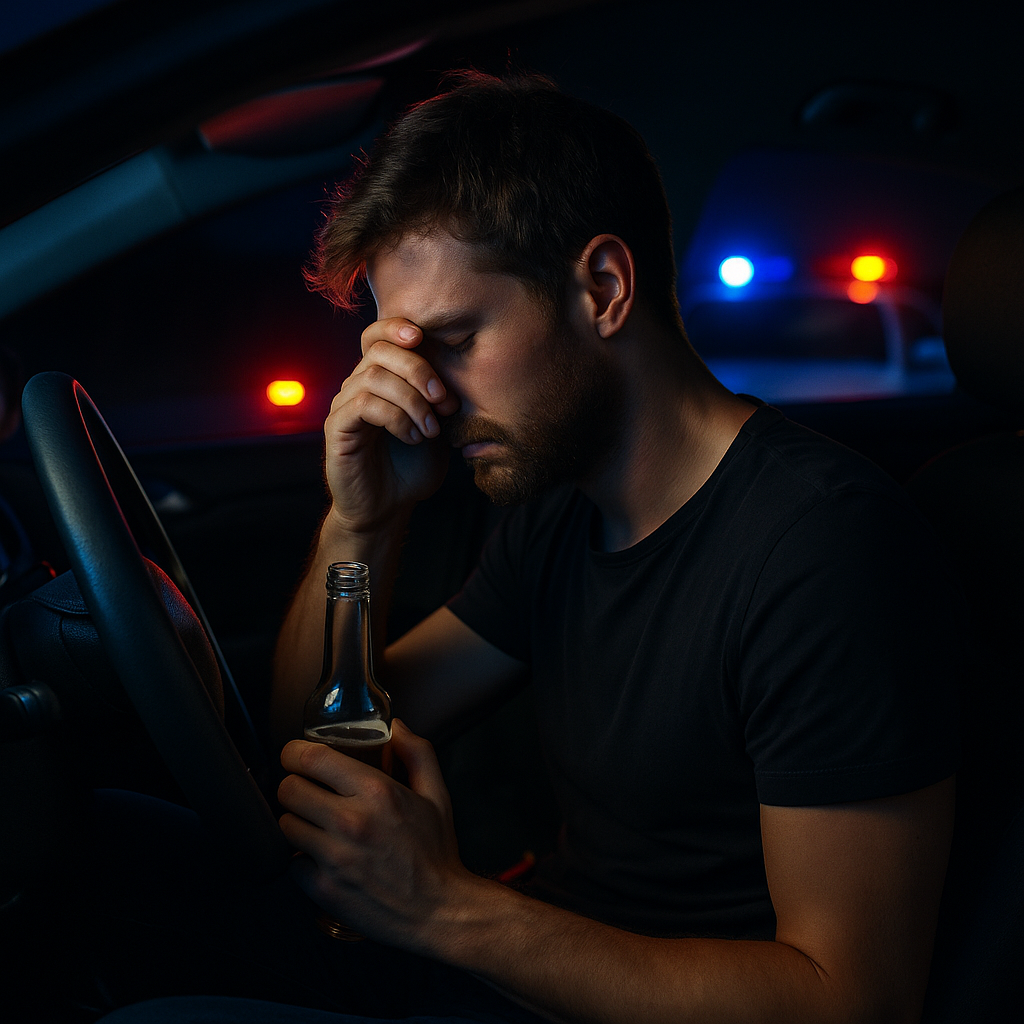
The festive period brings warmth and celebration, yet it is also when some of the most preventable road tragedies occur. Drivers who choose to drink often convince themselves they are “fine”, but alcohol alters reaction times and judgement long before its effects are noticeable. A pedestrian stepping out, a cyclist crossing, or a car braking…
-
Keeping Your Vehicle Safe While You Travel This Christmas
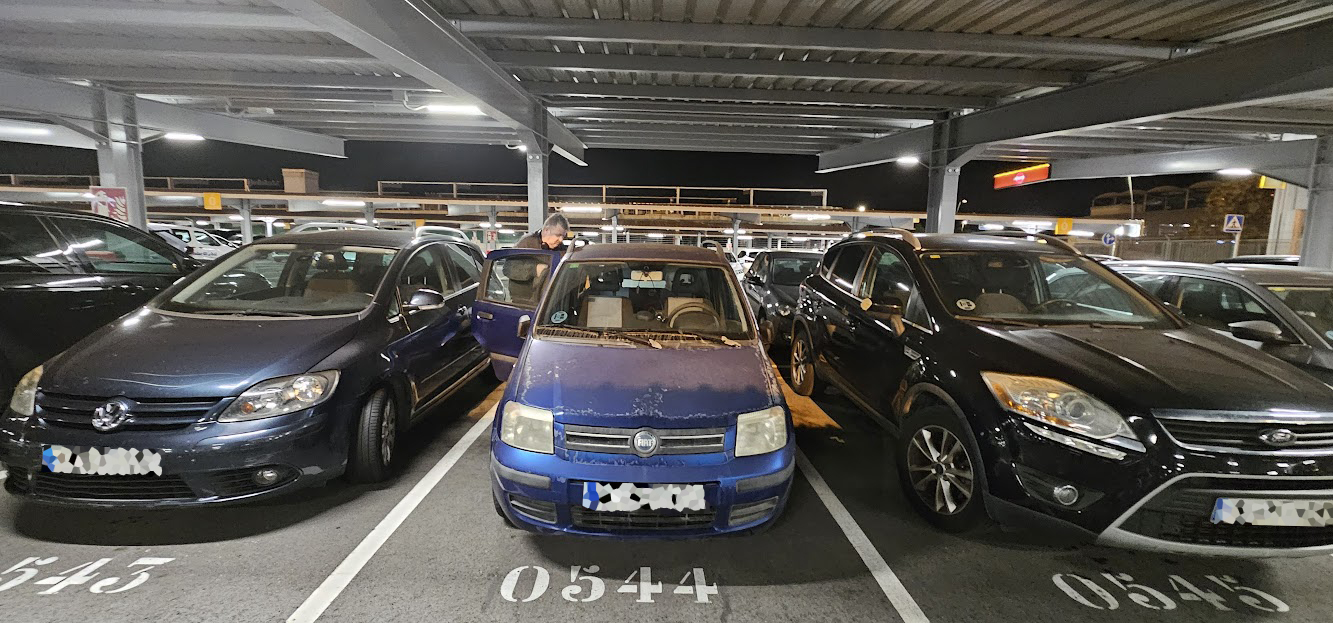
The Christmas period is one of the busiest travel seasons in Spain, with many families leaving their vehicles parked for several days or even weeks. Choosing a secure parking location is the first and most effective step in protecting your car. Private garages, reputable long-stay car parks, and well-lit areas near regular activity offer far…
-
Winter Weather and Your Insurance: What Drivers Need to Know Before Travelling
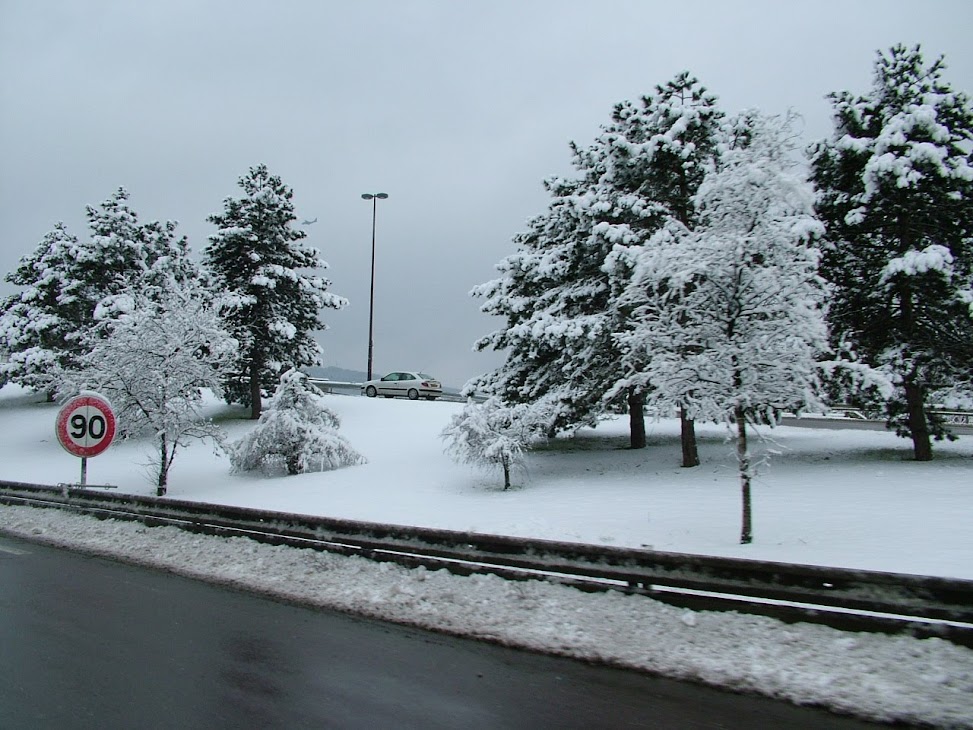
Spain is known for its mild climate, yet winter conditions can create unexpectedly hazardous driving environments, particularly in mountain areas and northern provinces. Fog, sudden rain, icy surfaces, and freezing temperatures all contribute to a rise in seasonal incidents. While most comprehensive insurance policies cover accidents caused by bad weather, drivers must still take reasonable…
-
Winter Roads in Spain: What Drivers Must Know About Chains, Closures, and Cold-Weather Checks
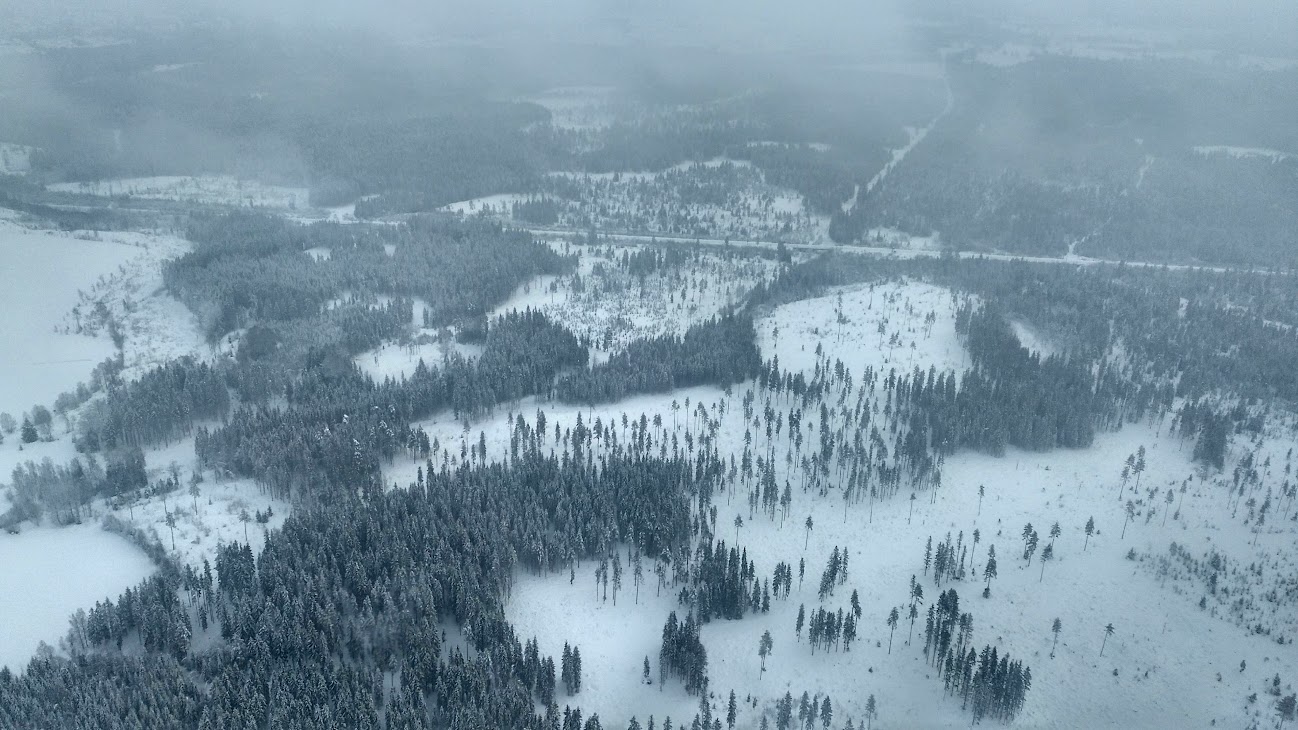
Although many parts of Spain enjoy mild winters, mountain regions can experience sudden snow, ice, and rapidly changing conditions. Each year, the DGT activates winter protocols that include chain requirements, speed restrictions, and staged road closures. When the R-402 “Cadenas obligatorias” sign appears, drivers must stop and fit chains before continuing. Textile snow socks are…
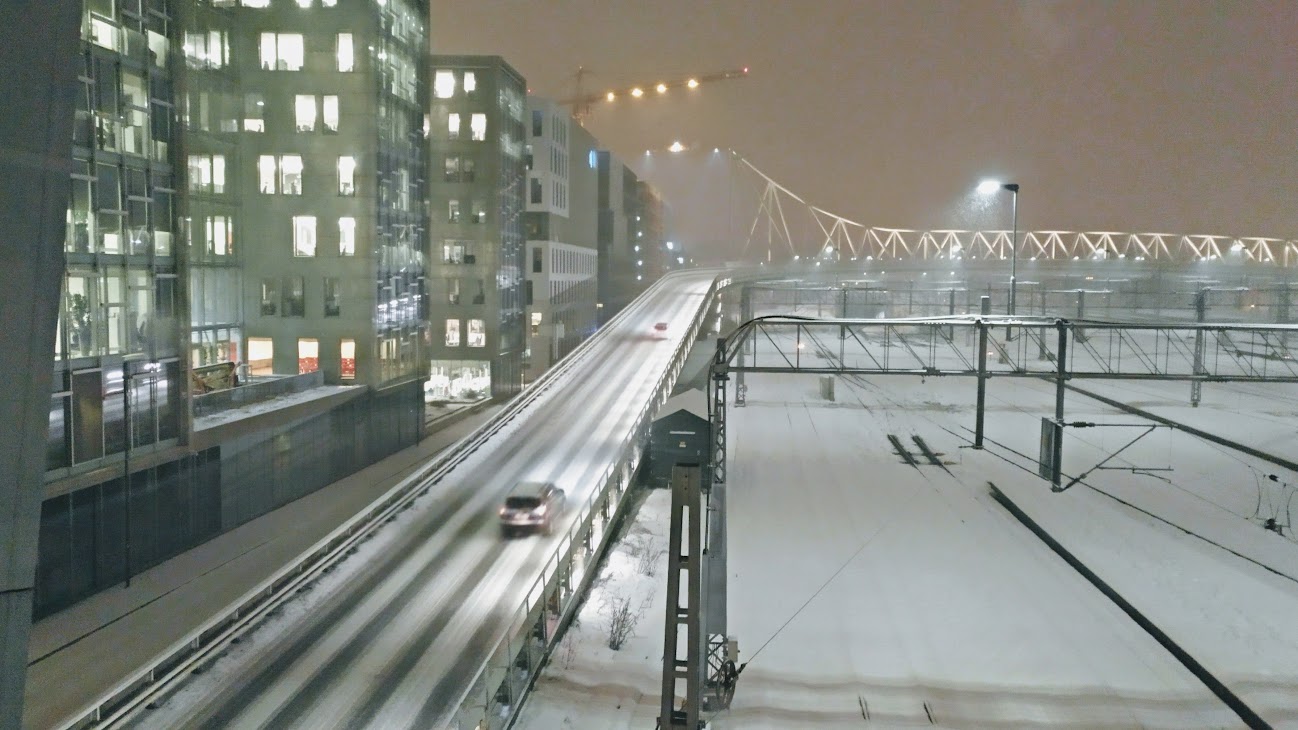
Spain’s Festive Travel Peaks: When Road Risks Are at Their Highest
Spain’s festive season creates several predictable peaks in travel risk, each linked to long-standing traditions and public holidays. The busiest…

Navigating Spain’s Festive Travel Waves: Safe Driving from Nochebuena to Three Kings
Spain’s festive season spans several weeks, creating repeated waves of heavy traffic rather than a single Christmas rush. The first…

The Knock on the Door: Families Living with the Consequences of Drink-Driving
Drink-driving collisions are often reported in terms of vehicles, road conditions, or police statements, yet the deepest impact is felt…
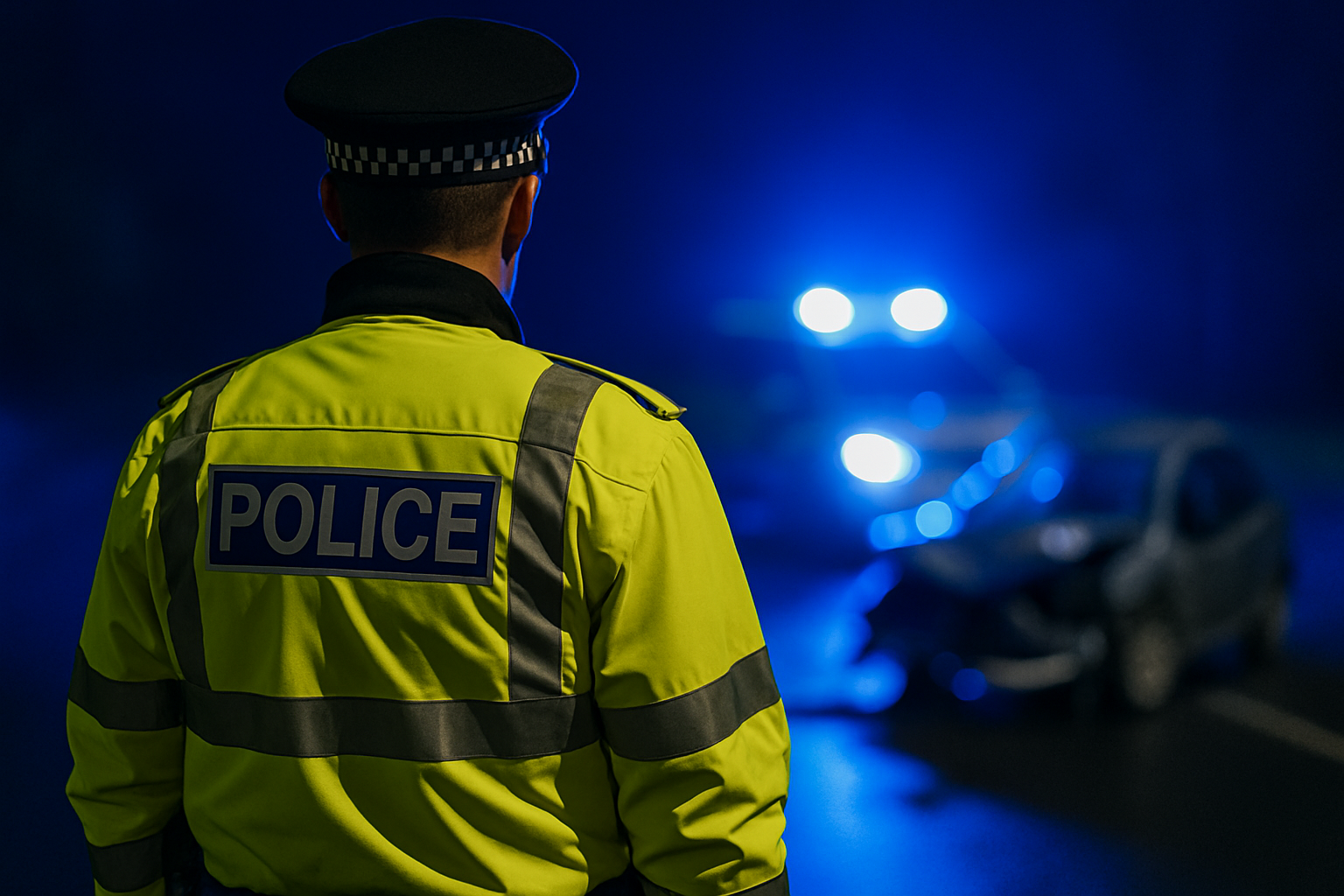
Through an Officer’s Eyes: The Devastating Reality of Drink-Driving Collisions
For many police officers, Christmas is not only a season of celebration but also a period marked by the harsh…
To read this article in full, and many more, visit the main site, N332.es︎